Where Little Hands Learn to Build — and Speak — the World
GLEA is EIBP's dedicated STEM and language-immersion division for children aged 3–6 — the only early childhood engineering lab of its kind in Cape Verde, where building things and learning languages happen in the very same breath.
6
Learning Zones3
Languages in Daily Use3–6
Ages Served80+
German Vocab Words


A German Academy, Rooted in Partnership
GLEA is a German academy, brought from Germany and officially registered in both Germany and Cape Verde — governed by its own registered non-profit Trägerverein, established officially by the German-African-European Networks Family of Christian Professional Educators as the body responsible for the Academy’s curriculum — developed in line with the German government curriculum, integrated into the IB World School framework, and shaped by a strong British pedagogical structure — as well as staffing and academic standards. GLEA operates on EIBP’s campus under a strategic partnership agreement, sharing facilities and an admissions pipeline while remaining its own institution.
At its core is an early-engineering pedagogy inspired by German traditions — Froebel’s play-based learning blended with hands-on workshop practice for young children — adapted to serve Cape Verde’s own children, alongside the sons and daughters of international residents, business families, and the diplomatic community based in Praia.
This governing structure is a deliberate step: it is the legal foundation GLEA needs to pursue formal recognition as a German-curriculum school abroad over time, in dialogue with the relevant German cultural and educational authorities.
Engineering and Language, Taught as One Discipline
The German Little Engineering Academy is EIBP's dedicated innovation division, drawing on German pedagogical traditions — Froebel, Bauhaus, and Werkpädagogik — to teach children to build, test, and create from age three.
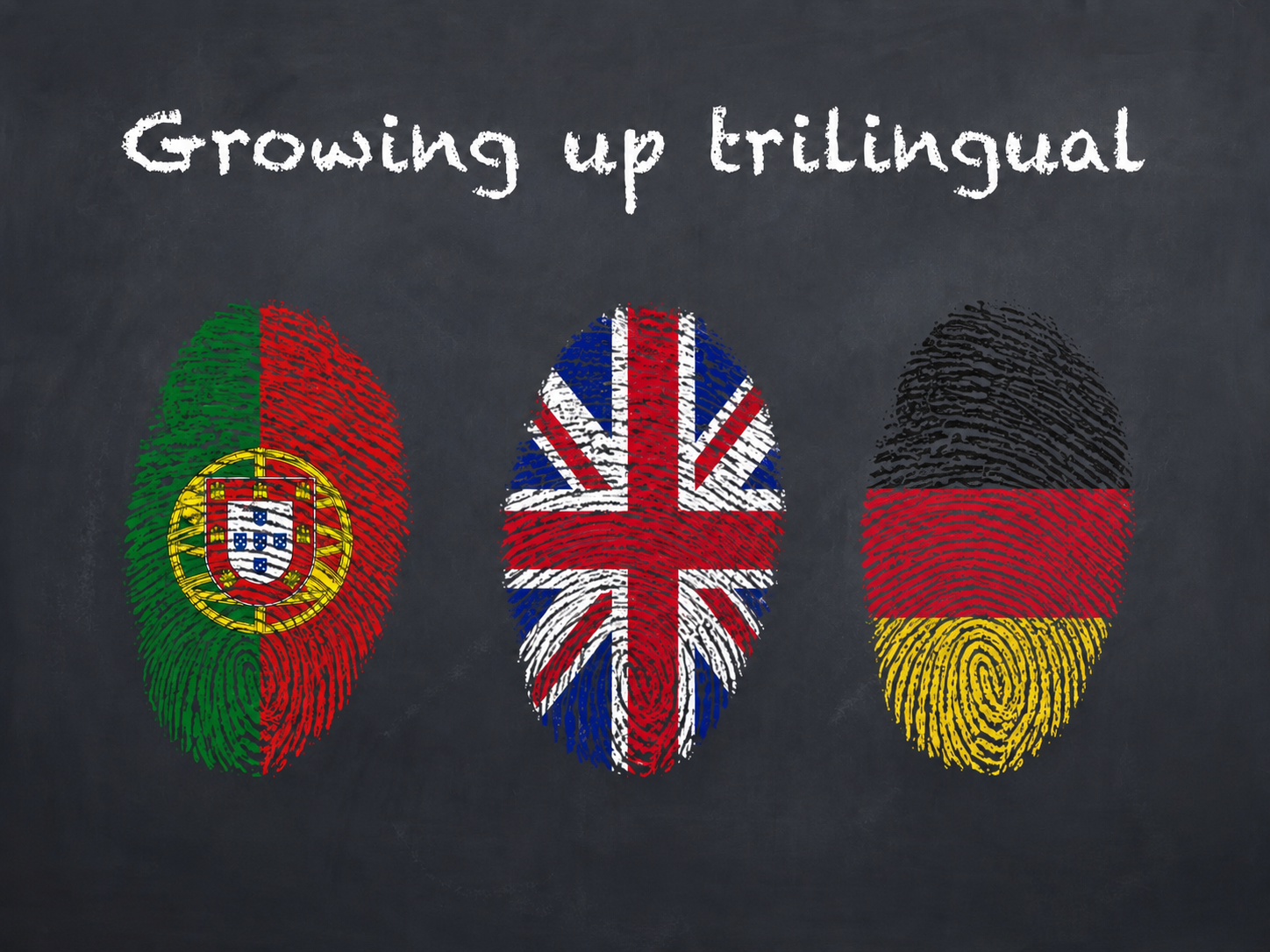
What makes GLEA distinctive is that engineering is never taught in silence. Every zone, every tool, every project is narrated — in Portuguese, in English, and in German — so that vocabulary is acquired the way it is acquired best: attached to something a child is actually doing with their hands.
- Six purpose-built learning zones for hands-on STEM discovery with professional photography documenting real builds
- A structured, trilingual programme woven into every activity — Portuguese + English + German workshop language
- Pedagogy from Froebel's play theory to Bauhaus design thinking and Werkpädagogik making
- Small cohorts, teacher-led narration, and peer collaboration in Achada São Filipe, Praia

German Academy, Shared Campus Life
GLEA is officially registered in both Germany and Cape Verde, but day-to-day studio life runs alongside EIBP's classroom day — inquiry time, creative arts, and trilingual literacy. Children move fluidly between "building" and "naming what was built," in whichever of the four languages the moment calls for.
GLEA (German) . EIBP Campus PartnerSix Zones. Six Ways to Build.
Each zone pairs a physical activity with its own vocabulary set — children don't just build, they learn the words for what they're doing as they do it. All zones photographed in GLEA's studio in Praia.

Construction Zone
Blocks, beams, and structures — where children learn balance, gravity, and the German verb bauen (to build) through repetition and play.
🧱 bauen · to build · construir
Sensory Discovery
Water, sand, and texture stations that introduce descriptive vocabulary across all three spoken languages — soft, heavy, wet, smooth.
🌊 weich · soft · macio
Mini Mechanics
Gears, pulleys, and simple machines — the home of konstruieren (to engineer) and hands-on cause-and-effect learning.
⚙️ das Zahnrad · the gearFuture Technology
Age-appropriate robotics and circuits, paired with a vocabulary set of invention, sensors, and simple logic in English and German.
🤖 erfinden · to invent
Creativity Studio
Design thinking for the very young — colour, form, and pattern, anchored in Bauhaus principles and the word gestalten (to design).
🎨 gestalten · to design
Reflection Corner
Where every session ends: children narrate what they built and what they learned, choosing whichever language feels most natural that day.
🪞 erzählen · to tell a storyPedagogy from the Land of Engineers.
GLEA's educational DNA draws from Germany's greatest contributions to early childhood learning — Froebel's gift of play, Bauhaus design thinking, and Werkpädagogik's hands-on making philosophy.
Froebel
Friedrich Froebel invented the kindergarten — the idea that children learn best through guided, purposeful play with natural materials and geometric gifts.
1782–1852 · Thuringia · KindergartenBauhaus
The revolutionary design school that united art, craft, and technology — teaching that making is thinking, and form follows function.
1919–1933 · Weimar · Form follows functionWerkpädagogik
Germany's work-education philosophy: children learn through making, building, and creating — developing technical intelligence alongside emotional confidence.
Work-Education · Learning by makingSprachbad Immersion
"Language bathing" — the German early-immersion tradition of surrounding children with a target language through action and environment, not drilling.
Sprachbad · Early immersion methodA German Academy, on a Recognition Pathway
GLEA is a young, German-governed academy, officially registered in both Germany and Cape Verde, and recognised in Germany, across Europe, and internationally. The Academy continues working toward even greater recognition through WDA and other relevant bodies as required — a standing that makes it possible to bring GLEA’s strong early-childhood pedagogical supervision and structure to children in Cape Verde, alongside the international community it serves.
German Legal Carrier
GLEA is governed by its own registered non-profit carrier, distinct from EIBP, responsible for curriculum, staffing, and academic standards — the governance structure that formal recognition processes for German-linked schools abroad require as a starting point.
Registered in Germany & Cape Verde · Est. 2026IB World School Pathway
GLEA’s studio approach is designed to feed directly into EIBP’s IB World School trajectory, building the inquiry-based, hands-on learning habits that the IB Primary Years Programme expects from its earliest grades.
EIBP · IB World School CandidateRecognised in Germany, Europe & Internationally
GLEA’s German-rooted pedagogy carries recognition in Germany, across Europe, and internationally. The Academy continues to build on this standing through ongoing work with WDA and other relevant accrediting bodies, strengthening the credentials and pedagogical supervision it brings to children in Cape Verde and to the wider international community it serves.
Recognised · Advancing with WDAThree Languages, One Studio
Language teaching at GLEA is not a separate subject bolted onto engineering — it is built into the fabric of every zone, every tool, and every project. Portuguese and English carry the core of instruction, and German is introduced experientially as the "language of the workshop" — the vocabulary of building, inventing, and thinking that gives GLEA its name.
Children acquire vocabulary the way research shows it sticks best in early childhood: attached to a real action, a real object, and a real feeling of accomplishment — not through worksheets or rote memorisation.
How a Word Enters the Studio
Do
A child performs an action — stacking, pouring, connecting a gear.
Name
A teacher names the action in the language of the moment — often two or three languages at once.
Repeat
The word resurfaces across zones and days, in songs, labels, and narration — spaced, not drilled.
Reflect
In the Reflection Corner, the child chooses a language to describe what they built — proof the word took root.
Language Development, Stage by Stage
Listening & Naming
Children absorb sound and rhythm before they produce full sentences. Focus is receptive: hearing Portuguese, English, and single German action-words in context, without pressure to reproduce them.
Speaking & Building Together
Children begin narrating their own building process aloud, mixing languages freely. German vocabulary expands from single words to short two-word phrases tied to specific tools and zones.
Reflecting & Choosing
Children independently select which language best expresses an idea, use full sentences in Portuguese and English, and confidently use a working German engineering vocabulary of 40–80 words.
Deutsch im Labor — German in the Lab
A sample from GLEA's growing German engineering-vocabulary set. Words are introduced experientially — through action, not instruction.
The Trilingual Foundation Beneath It All
PORTUGUÊS
The primary language of instruction and Cape Verde's official language. Children build deep literacy and expressive fluency in Portuguese from day one, including in GLEA's own studio.
ENGLISH
The language of international education and global opportunity — the second working language of every GLEA zone, from instructions to reflection-time storytelling.
DEUTSCH
The workshop language of GLEA — introduced through making, not memorising, and layered onto the Portuguese–English foundation shared with the wider EIBP curriculum.
Building and Language, Hour by Hour
GLEA's studio time sits inside EIBP's daily rhythm — here is how engineering and language weave through a typical morning in the Little Engineers Studio.